Culturally Responsive Reproductive Health Care for Somali Women
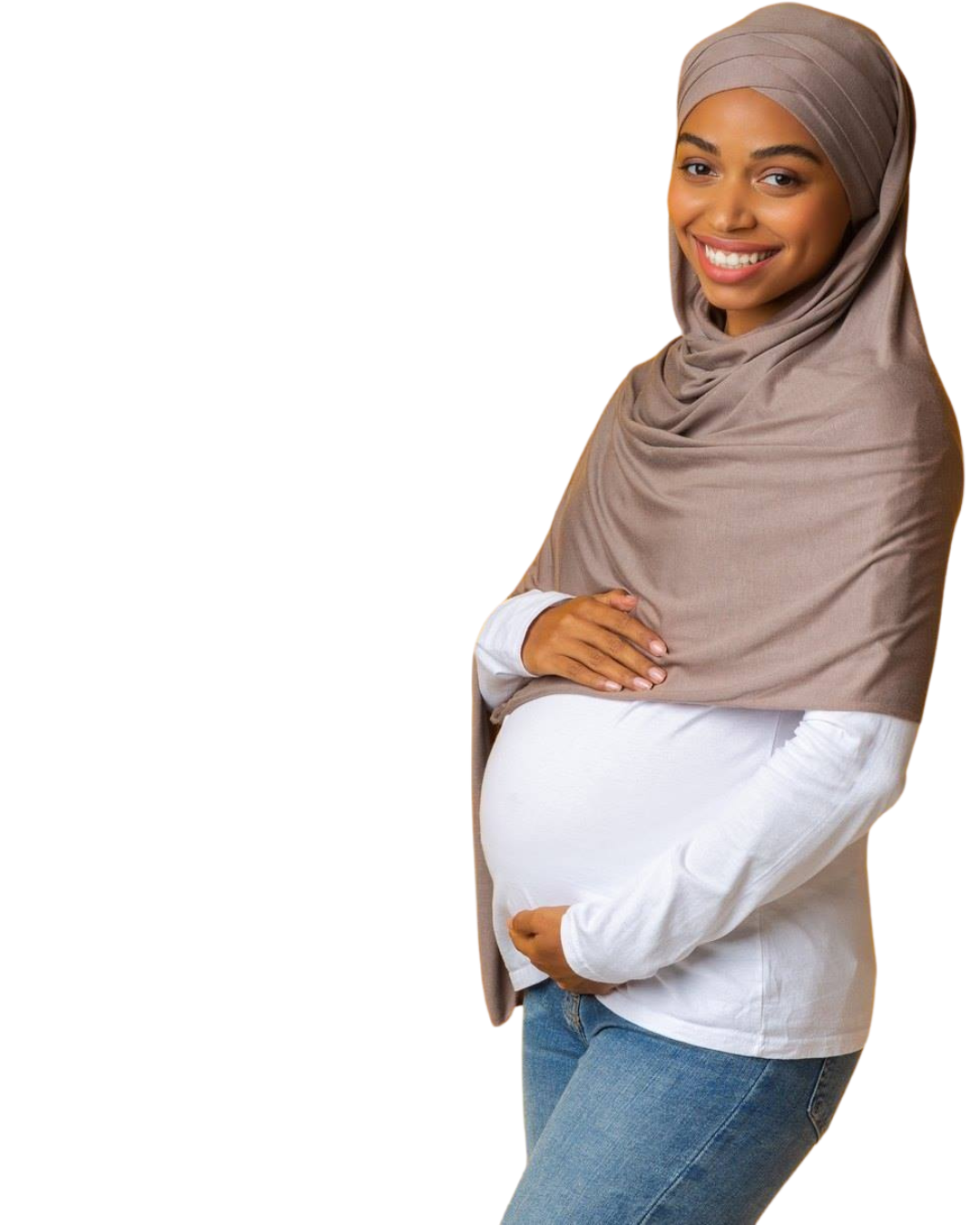
Somali women bring rich cultural traditions, values, and life experiences to their healthcare journey. Yet too often, gaps in cultural understanding create barriers to trust, comfort, and optimal care.
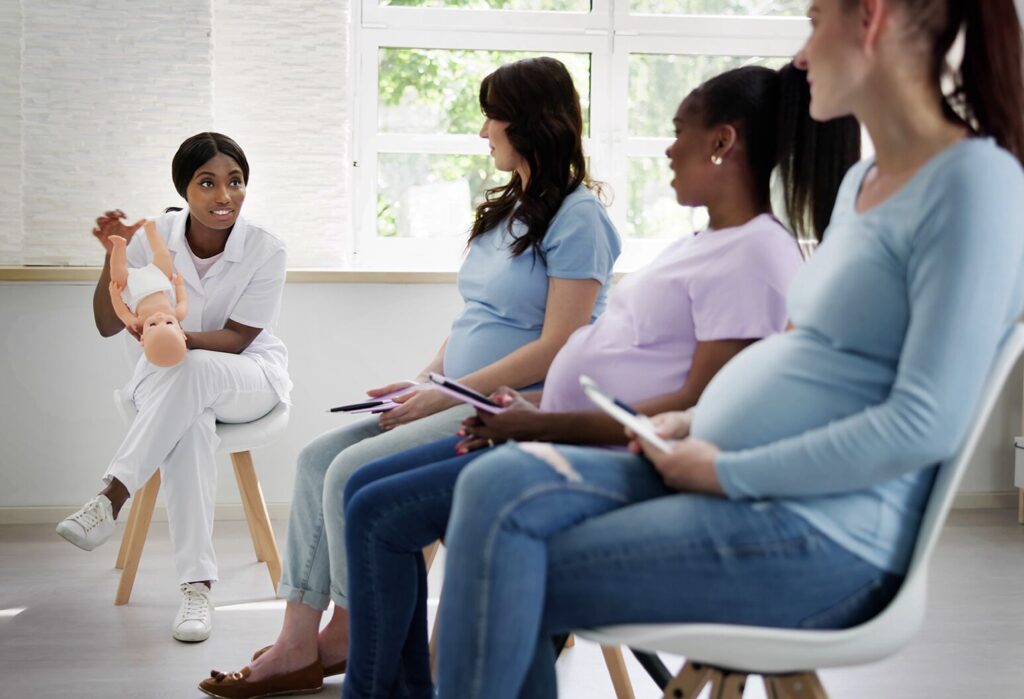
This training equips healthcare providers — including nurses, OB/GYNs, midwives, and other reproductive health professionals — with the tools, insights, and best practices to deliver respectful, culturally specific care for Somali women.
Developed by Isuroon, a nationally recognized leader in culturally responsive health services, this program draws on years of community engagement, provider interviews, and patient stories to highlight 12 best practices that improve care outcomes and patient satisfaction.

What Participants Will Learn
Through real-world examples, cultural insights, and interactive discussions, participants will:
Training Summary
This training is structured into 12 modules, each focusing on a core best practice:
-
Building one-on-one relationships with patients
-
Respecting culture and religion in reproductive health care
-
Providing options and involving families in decision-making
-
Hiring Somali staff and learning key Somali phrases.
-
Offering female providers where possible
-
Making midwives available and supporting natural birth preferences
-
Contracting with competent medical interpreters.
-
Understanding and respectfully addressing Female Genital Cutting (FGC)
-
Learning Somali migration journeys and life stories
-
Educating healthcare staff on Somalia’s history and healthcare systems
-
Respecting Somali calendars and holidays in care planning
-
Conducting community outreach to build awareness and trust
Training is delivered through a PowerPoint presentation, facilitated discussion, real-life case studies, and knowledge-check quizzes to ensure participants can apply what they’ve learned immediately.
Expected Outcomes
By the end of the training, participants will be able to:

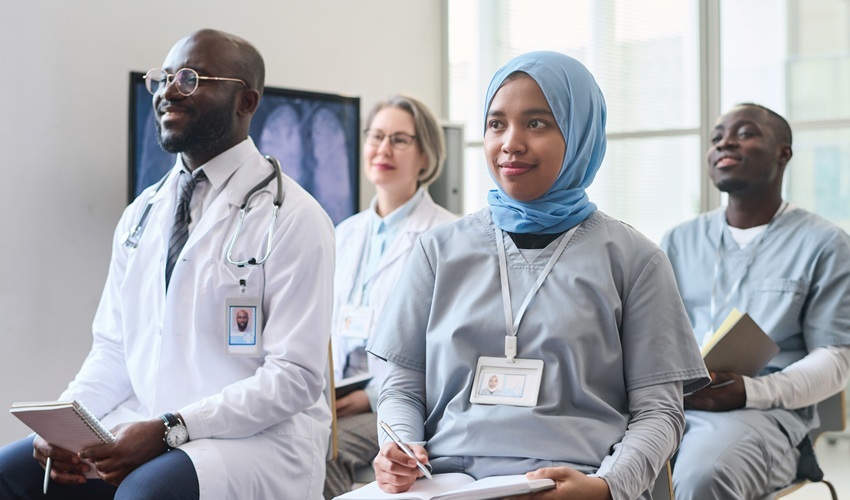
Who Should Attend
Nurses and nurse practitioners
Social workers and patient navigators
Midwives
Medical assistants and clinic staff
Public health professionals
OB/GYN physicians
Duration & Format
- Length: 2–3 hours (customizable for your team)
- Format: In-person or virtual training
- Materials Provided: Participant workbook, reference guide, and follow-up resources.
Why This Matters
Minnesota is home to one of the largest Somali populations outside of Somalia. As the community grows, healthcare providers have an unprecedented opportunity to close cultural gaps, improve reproductive health outcomes, and create a healthcare environment where Somali women feel truly seen, heard, and respected.